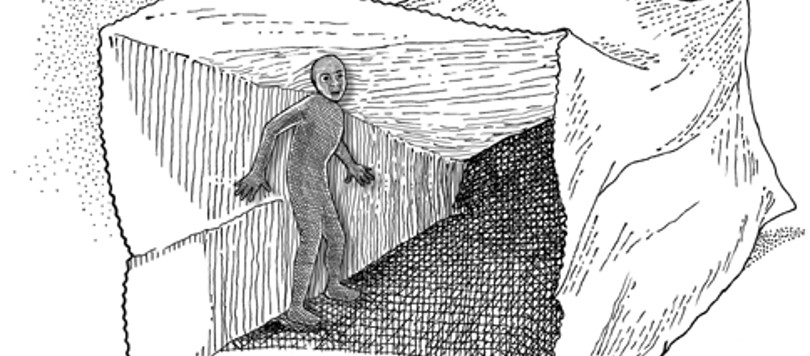
Is it Anxiety or depression?
How do you differentiate? Ever been with someone, who you don’t know much? maybe a cute guy at the bar? or your very nice co-worker? or a close friend who you do not speak to anymore, because they just seem to have vanished? But there is something about them you do not seem to understand?
Do they feel excessive uncontrollable, and irrational worry about everyday thing? And may or may not be disproportionate to actual source of worry? Does it effect their activities of daily living? Do they anticipate disaster and are overly concerned about everyday matters? If yes, they just may be characterized under generalized anxiety disorder.
Now a subsection of Anxiety is can be identified as panic attacks.Often those afflicted will experience significant anticipatory anxiety and limited symptom attacks in between attacks, in situations where attacks have previously occurred, and in situations where they feel “trapped”. That is, where escape would be obvious and/or embarrassing.
How to identify panic Attacks?
- Trembling
- Dyspnea
- Heart palpitation
- Chest pain or chest tightness
- Derealization
- Hot flashes, cold flashes, burning sensation
- Hyperventilation
It is important to differentiate and understand that panic attacks are not caused by substance abuse, a medical condition or another mental health condition.
Whereas, depression is an illness that causes a persistent feeling of sadness and loss of interest. Leading to various emotional and physical problems. Depression is a chronic illness that usually requires long – term treatment.
HelpGuide talks about “Anxiety disorders and anxiety attacks”, and that some level of anxiety is actually good for us. “Anxiety is a normal reaction to danger, the body’s automatic fight – or – flight response that is triggered when you feel threatened, under pressure, or are facing a challenging situation, such as a job interview, exam, or first date.”
Then how does a common central nervous system response go to being so severe that a person has no control over. Causing feelings like pounding heart, sweating, dizziness, frequent urination or diarrhea, shortness of breath and insomnia. Maybe we let this happen over and over again that our body is used to it, and feels as if this is the normal response.
Can we control anxiety? knowing you or your loved one has anxiety? What do you do to help them or help yourself control it better?
In order to control Anxiety, the following are crucial:
- Diaphragmatic breathing
- Meditation before bed (view below)
- Daily Exercise
- Sufficient sleep
- Count 10 backwards to 1 slowly
- Limit/ Avoid alcohol and caffeine
Before you go, view the video’s below and make a difference in yours and your loved ones lives.
Stay safe, Live Happy, Cherish Every Moment
 Health Purified