Categories
Mental Health

Understanding Schizophrenia

What is Schizophrenia?

It is a group of brain disorders in which people interpret reality abnormally. It may be combined with hallucinations, delusions, and disordered thinking and behaviors. Schizophrenia is a chronic condition, and requires lifelong treatment.

Who does it effect?

Schizophrenia effects males and females equally. Ages of onset in males is early teens – late twenties and for females it is twenties – thirties.

What part of the brain gets effected?

  • Frontal Lobe: thinking, problem solving, decision making and planning
  • Temporal Lobe: Auditory information and speech production
  • Hippocampus: Long term memory and emotional responses like fear
Cecilia McGough story on having Schizophrenia

Potential cause of Schizophrenia?

Cause is unknown

On the other hand, researchers do believe that combination of genetics and environment contribute to disease development. Potentially can cause a problem with neurotransmitters dopamine and glutamate (interesting fact: Most medications are designed to affect the function of these neurotransmitters)

Some of the risk factors?

  • Family History
  • Exposure to viruses, toxins or malnutrition while in womb (in first and second trimesters)
  • Stressful life circumstances
  • Older paternal age
  • Taking psychoactive drugs during adolescence and young adulthood
What are some clinical manifestations?

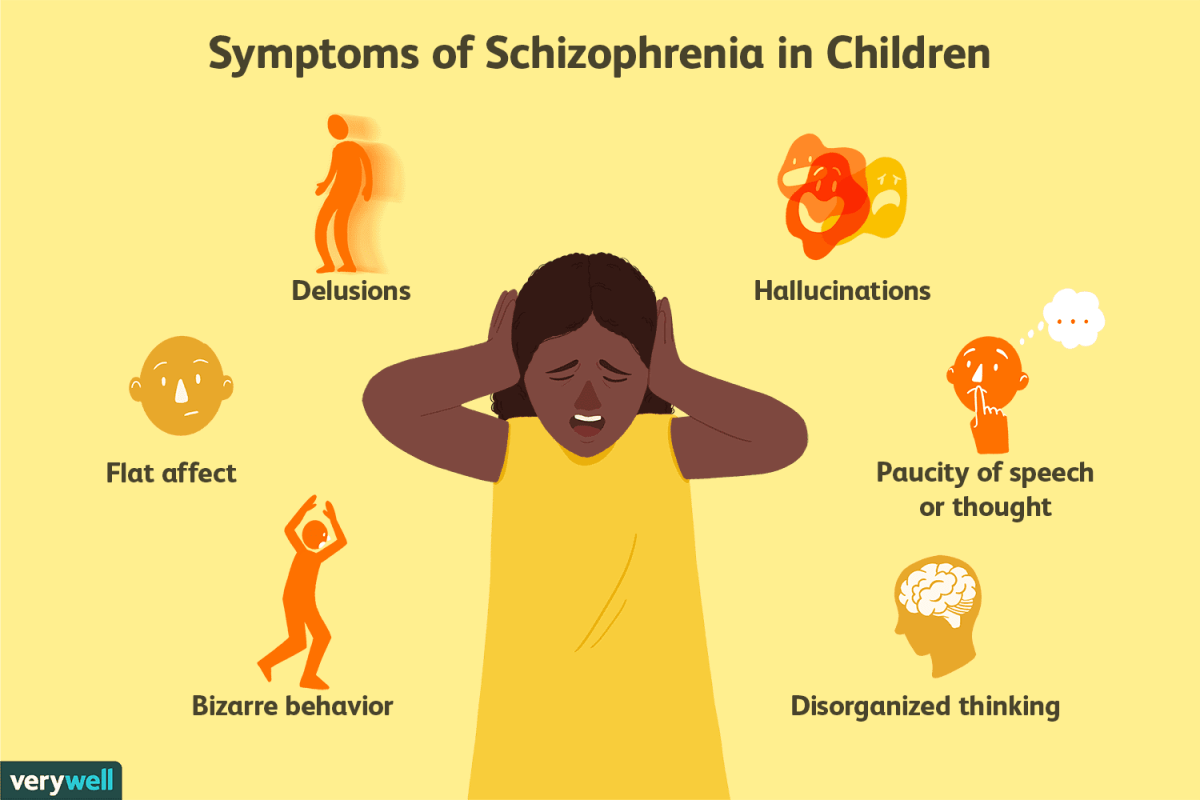
  • Delusions
  • Hallucinations (Visual or auditory)
  • disorganized speech
  • disorganized behavior (dressing inappropriately, crying frequently)

Major complication Schizophrenia can cause?

If left untreated, can result into emotional, behavioral and health problems:

  • Suicide/ self – injury
  • Depression
  • Abuse of alcohol, drugs or prescription medications
  • Poverty/ homelessness
  • Inability to work or attend school
  • Heart disease, often related to heavy smoking

How to support yourself with Schizophrenia?

  • Manage stress – Stress can trigger psychosis and make the symptoms of schizophrenia worse.
  • Get Plenty of sleep
  • Avoid Alcohol and drugs
  • Maintain connections – surround yourself with people who understand this and can make the transition back into daily social life smoother.

How to support a friend or family member with Schizophrenia?

  • Respond calmly – The hallucinations seem real, so do not respond with “you are imagining”. Calmly explain and listen but being respectful without tolerating dangerous or inappropriate behavior.
  • Pay attention to triggers – Understand them and avoid as much as possible
  • Understand their lack of awareness – Rather than telling people with Schizophrenia what is right and wrong or there or not, support and help them to be safe, get therapy.
  • Help avoid drugs or alcohol
Natural Mental Health Cures 
Categories
Latest News

Spread of Coronavirus

The most fetal spreading virus.. The Coronavirus AKA 2019-nCoV

First of all, What is Coronavirus?

Coronavirus is a common virus among animals worldwide. It is rare, but possible for coronavirus to evolve and spread from animals to humans. This involves in causing respiratory illnesses such as cold, and in some cases, the viruses can cause lower – respiratory tract illnesses such as pneumonia and bronchitis.

As New York Times reported, about 2,062 individuals has been effected, and 56 deaths has been reporter. As of January 26, 2020 this infection has been confirmed to have spread to Australia, France, Canada, United States, and seven countries in Asia.

Where did the Virus come from exactly?

Initial encounter of the virus started off at Wuhan in people who had visited local seafood and animals market. After comparing genetic sequences of more than 200 coronaviruses that infect various animals around the world, suggested that it has likely originated in snakes. For more details on the virus itself read at Journal of Medical Virology

However, the virus is not fully understood and experts are still trying to figure out the originality of the virus. It is unclear at this moment, if it was a snake, bat or other wildlife animals in the seafood market in Wuhan, China.

Coronavirus Spread

How is it spreading so fast?

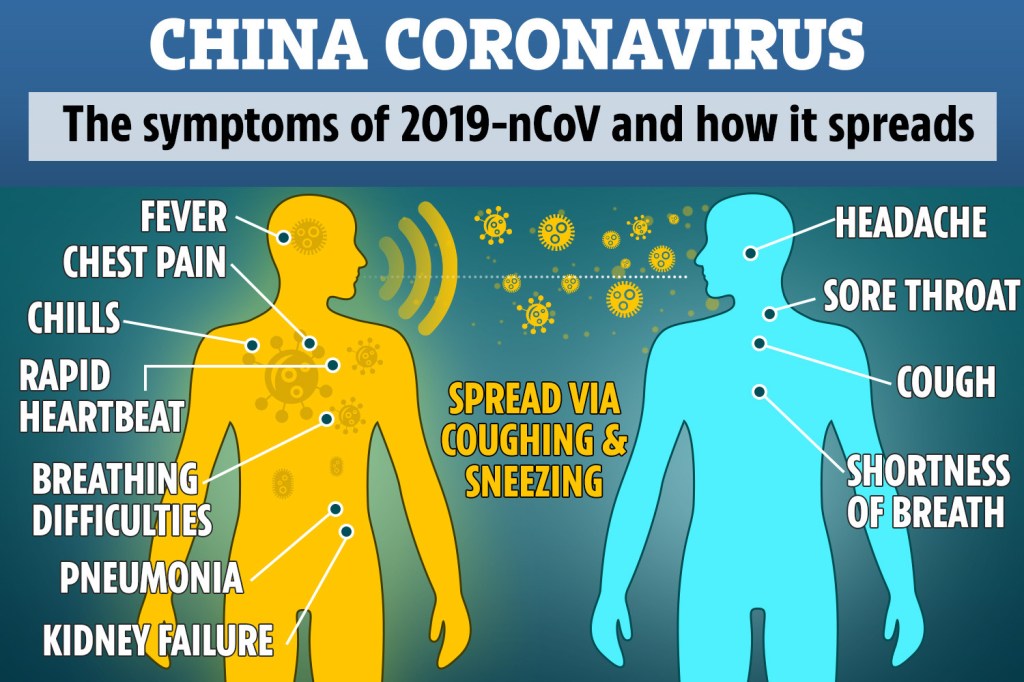
2019-nCoV is spread via:

  • Air (from viral particles from a cough or sneeze)
  • Close personal Contact (touching or shaking hands)
  • object with viral particles on it that may touch mouth, nose or eyes before washing hands
  • lastly rarely but possible from fecal contamination (direct discharge of waste from mammals and birds)

Signs and symptoms:

  • fever
  • cough
  • difficulty breathing

According to the CDC, there are no specific treatments for illnesses caused by human coronaviruses. Most people with common human coronavirus illness will recover on their own. However, you can do some things to relieve your symptoms

  • use a room humidifier
  • take a hot shower to help ease a sore throat and cough
  • drink plenty of liquids
  • stay home and rest

What are the actions being taken by China to stop the spread?

As per New York Times, Chinese government has called for a “lockdown” which effected about 35 million people as well as stopped travels to and from Wuhan and 12 other nearby cities. Major airports in U.S. are conducting screening to minimize infection spread to the incoming passengers but are not convinced with the effectiveness of the screening. Travellers are asked to avoid nonessential travel to Wuhan.

Finally, how can you protect yourself and others?

Avoid contract with sick people, avoid dead or alive animals, animal market and products. Also wash hands with soap for 20 seconds. According to the CDC, If you are infected by the virus, avoid transmitting to others by isolating yourself at home, wear face mask, cover your cough and sneezes and wash your hands

Visit your medical provider immediately, if you have traveled to Wuhan recently ad became sick with fever, cough or have difficulty breathing.

Who can we really trust?
Categories
Blog

Anxiety or Depression?

Is it Anxiety or depression?

How do you differentiate? Ever been with someone, who you don’t know much? maybe a cute guy at the bar? or your very nice co-worker? or a close friend who you do not speak to anymore, because they just seem to have vanished? But there is something about them you do not seem to understand?

Do they feel excessive uncontrollable, and irrational worry about everyday thing? And may or may not be disproportionate to actual source of worry? Does it effect their activities of daily living? Do they anticipate disaster and are overly concerned about everyday matters? If yes, they just may be characterized under generalized anxiety disorder.

Now a subsection of Anxiety is can be identified as panic attacks.Often those afflicted will experience significant anticipatory anxiety and limited symptom attacks in between attacks, in situations where attacks have previously occurred, and in situations where they feel “trapped”. That is, where escape would be obvious and/or embarrassing.

How to identify panic Attacks?

  • Trembling
  • Dyspnea
  • Heart palpitation
  • Chest pain or chest tightness
  • Derealization
  • Hot flashes, cold flashes, burning sensation
  • Hyperventilation

It is important to differentiate and understand that panic attacks are not caused by substance abuse, a medical condition or another mental health condition.

Whereas, depression is an illness that causes a persistent feeling of sadness and loss of interest. Leading to various emotional and physical problems. Depression is a chronic illness that usually requires long – term treatment.

HelpGuide talks about “Anxiety disorders and anxiety attacks”, and that some level of anxiety is actually good for us. “Anxiety is a normal reaction to danger, the body’s automatic fight – or – flight response that is triggered when you feel threatened, under pressure, or are facing a challenging situation, such as a job interview, exam, or first date.”

Then how does a common central nervous system response go to being so severe that a person has no control over. Causing feelings like pounding heart, sweating, dizziness, frequent urination or diarrhea, shortness of breath and insomnia. Maybe we let this happen over and over again that our body is used to it, and feels as if this is the normal response.

Can we control anxiety? knowing you or your loved one has anxiety? What do you do to help them or help yourself control it better?

In order to control Anxiety, the following are crucial:

  • Diaphragmatic breathing
  • Meditation before bed (view below)
  • Daily Exercise
  • Sufficient sleep
  • Count 10 backwards to 1 slowly
  • Limit/ Avoid alcohol and caffeine
20 Minute meditation before bed

Before you go, view the video’s below and make a difference in yours and your loved ones lives.

Stay safe, Live Happy, Cherish Every Moment

Overcoming Anxiety – story of Jonas Kolker
Categories
Blog

Depression.. have we fully understood it yet?

When does it actually start? At birth.. childhood.. teenage years or adulthood? living in a broken family? not the smartest kid in the family? or being told the same thing over and over again when you didn’t like it but just couldn’t say it?

Clinical depression is currently the leading cause of disabilities in North America, and is expected to become the second leading cause of disability worldwide (after heart disease) by the year 2020, according to World Health Organization.

Clinical Manifestations:

  • Feelings of sadness or unhappiness
  • Irritability or frustration
  • Loss of interest or pleasure in normal activities
  • Reduce sex drive
  • Insomnia or excessive sleeping
  • Changes in eating habits
  • Agitation or restlessness
  • Fatigue, tiredness and loss of energy

But is this all there is? NO. People with depression interact with the world differently. The reality is that these symptoms have significant impact on their daily lives anything from running errands to surfing social media to even aiming for a peaceful sleep every night.

How can we control these emotions? Can we tell someone? No. What if they judge us? but what if they don’t? How about going for a psychological counselling? They will listen to all your emotions, feelings, sorrows. Or talk to someone you can trust with all your secrets, if not human talk to your pet. Just let it out, don’t let it hold you back. You have the power to fight these emotions, they don’t hold you down.

Why should we bury our feeling inside of us with the help of a pill? Is that legible? You choose. The research done by the University of Chicago called “Study finds Anti- Anxiety drug limits rats empathetic behavior”. The group of rats who were not given the anti- depressant drugs were more likely to help and free trapped companion rather than the group who were given drugs. “The rats help each other because they care,” said Peggy Mason, professor of neurobiology. “Helping others could be your new drug. Go help some people and you’ll feel really good,” Mason said. “I think that’s a mammalian trait that has developed through evolution. Helping another is good for the species.”

Anti-anxiety medication limits empathetic behavior in rats

Design a site like this with WordPress.com
Get started